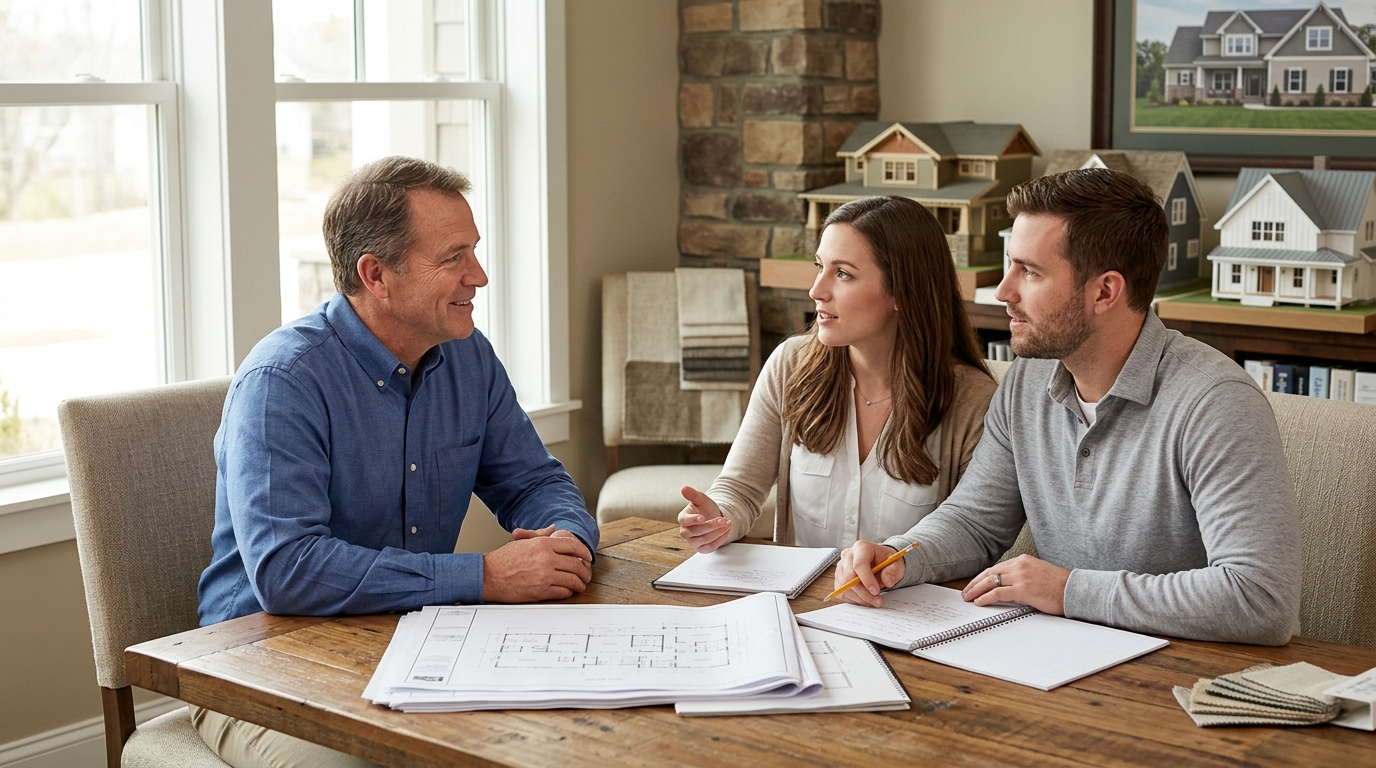
Building a custom home is one of the most significant financial and emotional investments you will make. According to the National Association of Home Builders, the average cost of a new single-family home in the United States has surpassed $485,000 in recent years, making due diligence critical. Before you sign any contracts or hand over deposits, you must understand exactly what you are buying. This guide outlines the essential questions to ask a custom home builder to ensure your project stays on budget, on time, and meets your quality expectations.
Understanding the Contract and Pricing Model
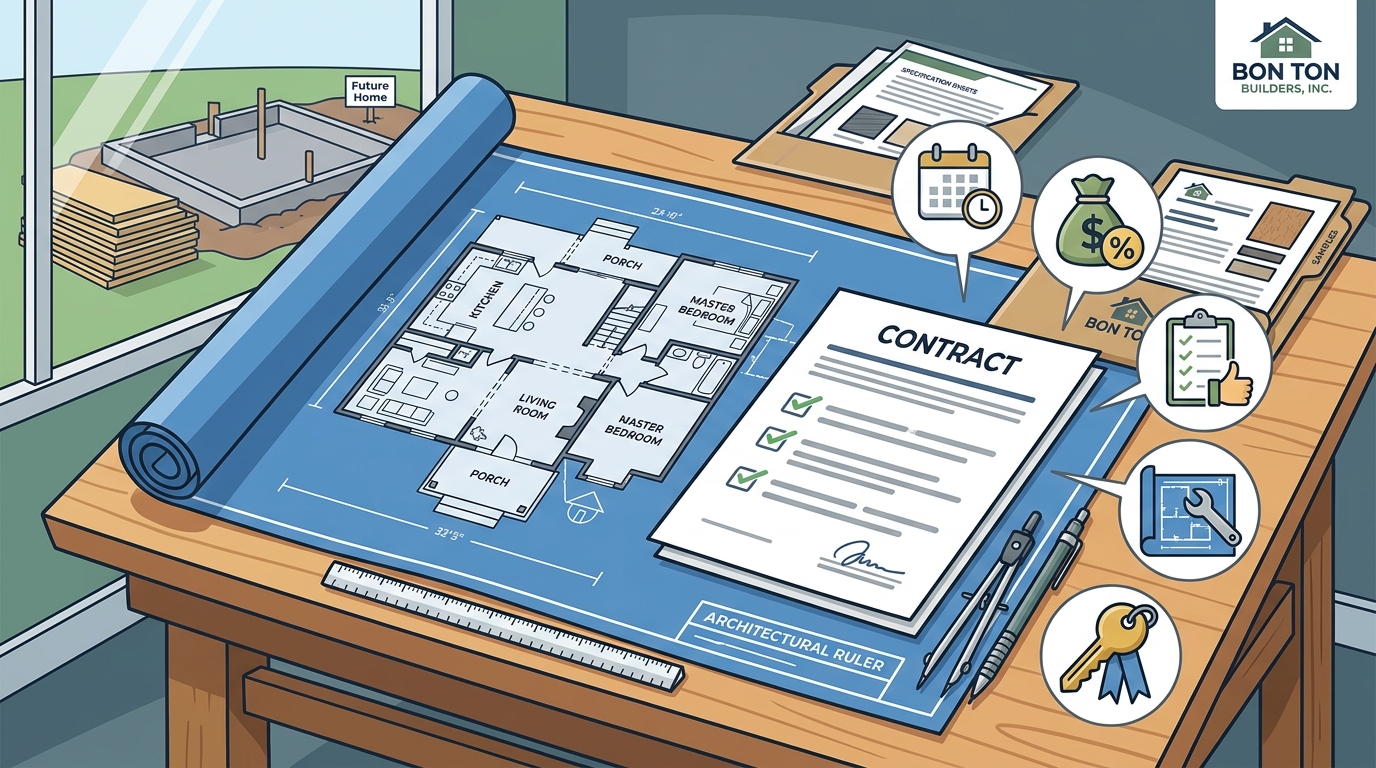
The foundation of any successful build is a clear, transparent contract. Many disputes arise from vague language or hidden costs. You need to know exactly how the builder calculates costs and what is included in the base price.
Is the Price Fixed or an Estimate?
Ask if the quote is a guaranteed maximum price (GMP) or a rough estimate. A fixed-price contract provides certainty, while an estimate-based contract can fluctuate with material costs. For a custom home, understanding this distinction is vital for budgeting.
What Are the Payment Milestones?
Never pay the full amount upfront. Reputable builders use a milestone-based payment schedule tied to construction progress. This protects your cash flow and ensures the builder has incentives to complete each phase. You can review detailed home plans and features to understand what is typically included in standard packages.
How Are Change Orders Handled?
Change orders are inevitable in custom building. Ask how they are priced and approved. A professional builder will have a clear process for documenting changes, getting your signature, and adjusting the timeline accordingly. This prevents surprise invoices at the end of the project.
Realistic Timelines and Construction Phases
Time is money. Delays can cost you thousands in holding costs, temporary housing, and lost productivity. Understanding the construction timeline helps you set realistic expectations.
What Is the Average Build Time?
Ask for the average duration from permit issuance to final walkthrough. For example, Bon Ton Builders notes that their average custom home takes roughly 200 working days, or about 9 to 10 months, to build once the building permit is issued. This timeline accounts for skilled trades coordination and quality craftsmanship.
What Factors Cause Delays?
Weather, material shortages, and permit approvals can all impact the schedule. Ask the builder how they mitigate these risks. Do they order long-lead items early? Do they have contingency plans for weather delays? A proactive builder will address these issues before they become problems.
How Is Progress Communicated?
Establish a communication protocol. Will you receive weekly updates? Monthly meetings? Access to a project management portal? Regular communication ensures you are never left in the dark about the status of your home.
Warranty Coverage and Post-Build Support
A custom home is a long-term investment. The warranty you receive is your safety net against defects and workmanship issues. Do not overlook this section of the contract.
What Does the Warranty Cover?
Look for a comprehensive warranty that covers structural elements, mechanical systems, and workmanship. A standard industry warranty might last one year, but some builders offer extended coverage. Bon Ton Builders provides a 10-year warranty, demonstrating confidence in their craftsmanship and commitment to customer satisfaction.
How Are Warranty Claims Processed?
Ask about the process for filing a claim. Is there a dedicated warranty manager? What is the response time for repairs? A responsive warranty team ensures that minor issues do not become major problems over time.
Are There Exclusions?
Read the fine print. Some warranties exclude certain materials or damage caused by natural disasters. Understand what is and is not covered to avoid surprises later.
The Team Behind the Build
Your builder is the conductor of an orchestra of tradespeople. The quality of the team directly impacts the quality of your home.
Who Will Be the Project Manager?
Meet your project manager before signing. This person will be your main point of contact throughout the build. Ensure you feel comfortable with their communication style and expertise.
Who Are the Subcontractors?
Ask about the subcontractors the builder uses. Do they have long-term relationships with reliable trades? A builder with a stable network of subcontractors is more likely to deliver consistent quality and avoid delays.
Is the Owner Involved?
For smaller, custom builders, owner involvement can be a significant advantage. Tony Forbes, President of Bon Ton Builders, meets with every customer to maintain a personal touch from start to finish. This level of involvement often results in higher quality control and customer satisfaction.
Design Flexibility and Change Orders
Custom building is about personalization. Ensure the builder allows the flexibility you need to create a home that fits your lifestyle.
Can I Modify Existing Plans?
Most builders allow modifications to their stock plans. Ask about the cost and timeline implications of major changes. Some changes, like moving load-bearing walls, can be complex and expensive.
What Custom Features Are Available?
Explore the builder’s portfolio to see what custom features they have implemented. Bon Ton Builders’ gallery showcases various styles, including barndominiums, craftsman, and farmhouse designs, highlighting their versatility.
How Do I Choose Finishes?
Understand the process for selecting finishes like flooring, cabinets, and fixtures. Some builders require selections early in the process to avoid delays. Others offer a more flexible timeline. Choose a builder whose process aligns with your decision-making style.
Key Takeaways
- Verify Licensing: Ensure the builder is licensed in your state. Bon Ton Builders holds PA Contractor License #PA002282 and MD Contractor License #06824395.
- Understand Timelines: Expect a build time of approximately 200 working days for custom homes, as noted by industry leaders.
- Check Warranty Terms: Look for builders offering extended warranties, such as the 10-year warranty provided by Bon Ton Builders.
- Meet the Team: Ensure the owner or project manager is personally involved in your project for better oversight.
- Review Payment Schedules: Never pay upfront. Use milestone-based payments tied to construction progress.
- Ask About Subcontractors: A builder with a stable network of trades ensures consistent quality and fewer delays.
- Clarify Change Orders: Have a clear process for documenting and pricing changes to avoid budget overruns.
Frequently Asked Questions
What is the average cost to build a custom home?
The average cost varies by location and size, but national averages often exceed $485,000. Local factors like land cost, material prices, and labor rates significantly impact the final price.
How long does it take to build a custom home?
On average, a custom home takes about 9 to 10 months, or 200 working days, from permit issuance to completion. This timeline can vary based on weather, customization level, and trade availability.
What should be included in a custom home warranty?
A comprehensive warranty should cover structural elements, mechanical systems, and workmanship for at least one year. Some builders, like Bon Ton Builders, offer a 10-year warranty for added peace of mind.
How do I choose the right custom home builder?
Look for builders with a strong local reputation, proper licensing, and a portfolio that matches your style. Personal involvement from the owner is often a sign of a builder who values quality and customer satisfaction.
Can I modify a builder’s existing home plans?
Yes, most custom builders allow modifications to their stock plans. However, major structural changes may require engineering reviews and can impact the budget and timeline.
What is a guaranteed maximum price (GMP)?
A GMP is a contract type where the builder agrees to complete the project for a set maximum price. Any cost overruns are typically the builder’s responsibility, providing the homeowner with budget certainty.
How are construction delays handled?
Delays due to weather or material shortages are common. A good contract will outline how these delays are communicated and whether they extend the completion date without penalty to the homeowner.
Start Your Custom Home Journey
Building a custom home is a journey that requires careful planning, clear communication, and a trusted partner. By asking the right questions before signing, you can ensure a smooth and successful build. Contact Bon Ton Builders today to schedule a consultation and discuss your vision. Visit our home plans or tour our model home in Hanover, PA, to see our craftsmanship firsthand.