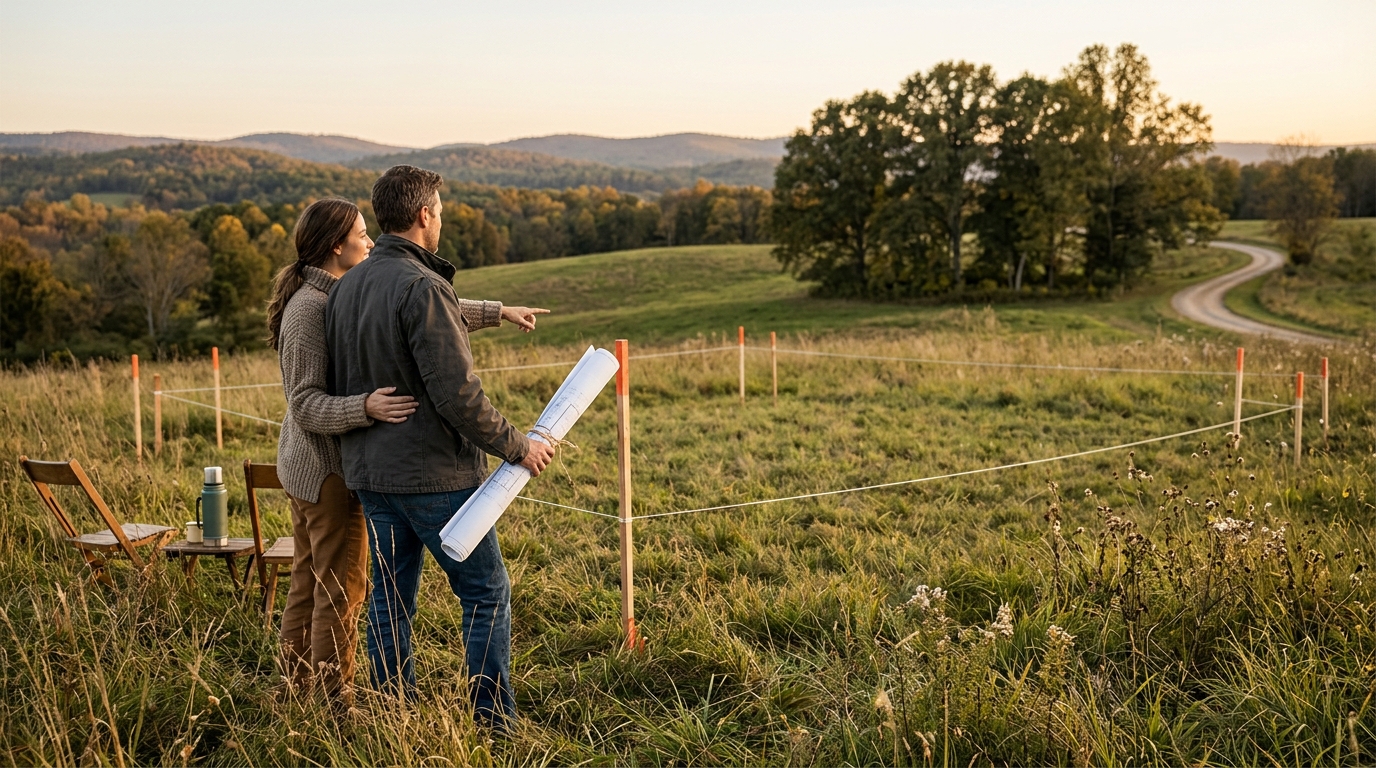
Constructing a custom home on land you already own is one of the most rewarding real estate investments you can make. According to the National Association of Home Builders, custom homes accounted for 32% of all new single-family homes started in 2023, reflecting a growing trend toward personalized living spaces. This guide will walk you through the critical steps of building a custom home in Pennsylvania and Maryland, from site evaluation to final walkthrough. We will explore how experienced builders like Bon Ton Builders manage this complex process to ensure your vision becomes a reality. (About)
Understanding the Basics of Building on Owned Land
Building on land you already own simplifies the initial acquisition phase but introduces unique logistical challenges. Custom home building is the process of constructing a residence tailored specifically to the owner's preferences, rather than purchasing a pre-built model. This approach allows for complete control over layout, materials, and energy efficiency. When you own the land, you eliminate the need for a traditional mortgage on the property itself, though you will still need financing for the construction phase.
The first step is determining if your land is buildable. Not all parcels are suitable for residential construction due to soil conditions, topography, or environmental restrictions. A qualified builder will conduct a preliminary assessment to identify potential hurdles early in the process. This proactive approach saves time and money by preventing costly surprises later in the project.
Site Evaluation and Zoning Regulations
Before breaking ground, you must navigate local zoning laws and building codes. Zoning regulations dictate how your land can be used, including setbacks, height restrictions, and lot coverage limits. In Pennsylvania and Maryland, these regulations vary significantly by county and municipality. For example, Hanover, PA, has specific zoning ordinances that affect residential construction in the 17331 zip code area.
Soil testing is another critical component of site evaluation. A percolation test determines if the soil can support a septic system, which is common in rural areas of PA and MD. Poor soil conditions may require specialized foundation systems, such as piers or mats, which can increase construction costs. Understanding these factors early helps you budget accurately and avoid delays.
Environmental factors also play a role. Wetlands, protected habitats, or steep slopes may limit where you can place your home. Working with a builder who has deep regional knowledge, such as those serving PA & MD for over 40 years, ensures compliance with all local regulations. This expertise is invaluable for navigating the permit application process efficiently.
Design and Planning Your Custom Home
Designing your custom home involves selecting a floor plan or working with an architect to create a unique layout. Bon Ton Builders offers a variety of pre-designed plans that can be customized to fit your land and lifestyle. These plans range from compact ranchers to expansive two-story estates, providing a solid foundation for your project.
When choosing a design, consider the orientation of your lot. South-facing homes in the northern hemisphere maximize natural light and solar gain, reducing heating costs. Conversely, north-facing lots may require more strategic window placement to maintain warmth. The layout should also accommodate your daily routines, such as kitchen workflow, bedroom privacy, and entertainment spaces.
Material selection is another key decision. High-quality materials not only enhance the aesthetic appeal but also contribute to the longevity and energy efficiency of your home. Insulation, windows, and roofing materials should be chosen based on the local climate. In the Mid-Atlantic region, durable siding and robust roofing are essential to withstand seasonal weather changes.
Financing Options for Land and Construction
Even if you own your land outright, you will need financing for the construction phase. Construction loans are short-term loans that cover the cost of building your home. Once the home is complete, these loans typically convert to a traditional mortgage. Interest rates and terms vary by lender, so it is important to shop around for the best deal.
Some lenders offer "construction-to-permanent" loans, which combine the construction loan and the mortgage into a single transaction. This simplifies the financial process by requiring only one closing. However, you must meet strict qualification criteria, including a detailed construction budget and timeline.
Another option is a home equity loan or line of credit if you have sufficient equity in your land. This can be a cost-effective alternative to traditional construction loans. However, it puts your land at risk if the project encounters financial difficulties. Consult with a financial advisor to determine the best financing strategy for your situation.
The Building Process: From Foundation to Finish
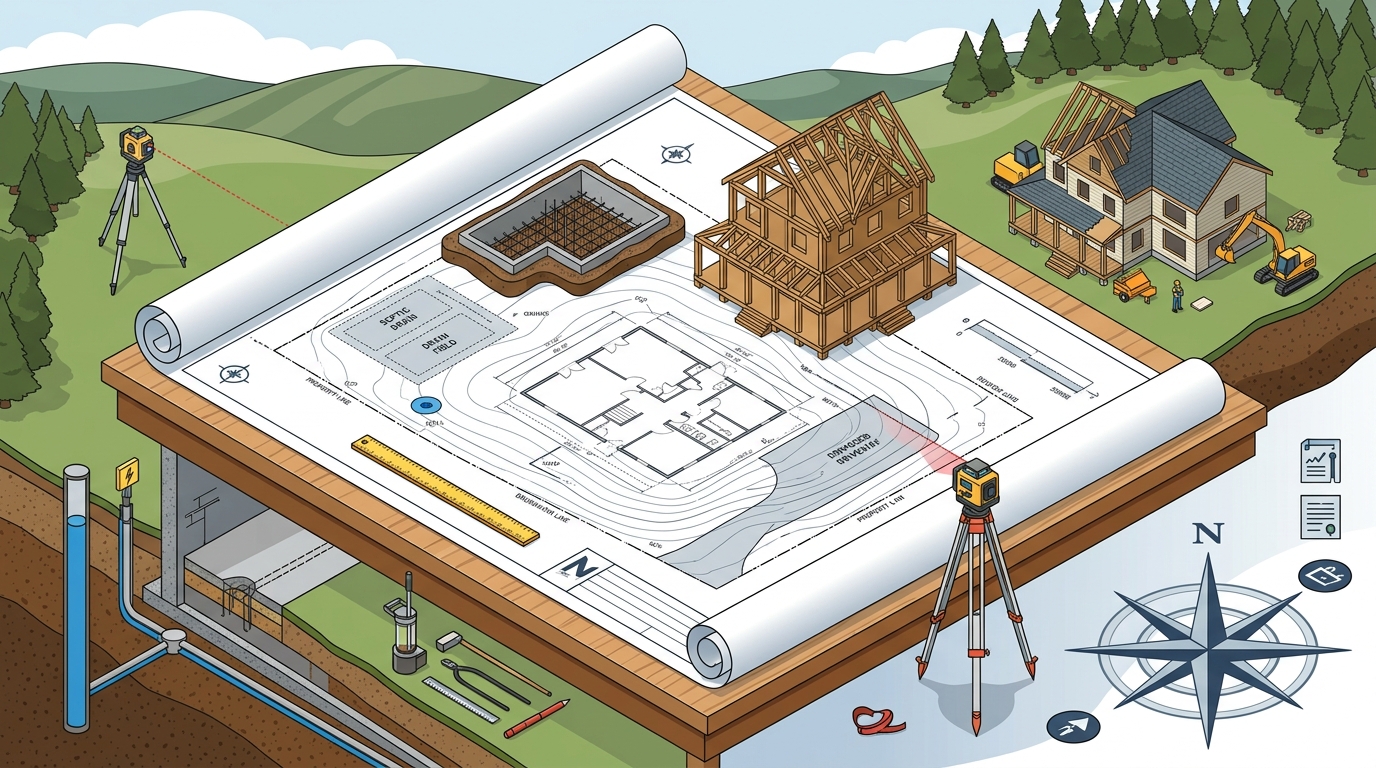
The construction process follows a logical sequence, starting with site preparation and foundation work. Site preparation involves clearing the land, grading, and installing utilities such as water, sewer, and electricity. The foundation is then poured, providing a stable base for the structure.
Once the foundation is cured, framing begins. This is when the skeleton of your home takes shape. Roofing, windows, and exterior doors are installed to make the home weather-tight. Interior work follows, including insulation, drywall, plumbing, electrical, and HVAC systems.
The final stages involve finishing touches such as painting, flooring, cabinetry, and fixtures. A final inspection ensures that all work meets building codes and quality standards. This phase is critical for identifying any punch-list items that need to be addressed before you move in.
Choosing the Right Custom Home Builder
Selecting a reputable builder is the most important decision you will make. A good builder acts as your project manager, coordinating subcontractors, managing budgets, and ensuring quality control. Look for a builder with a proven track record in your area. Bon Ton Builders, for instance, has served Pennsylvania and Maryland for over 40 years, earning a reputation for quality and affordability.
Check the builder's credentials, including licenses and insurance. In Pennsylvania, builders must hold a valid contractor license, such as PA Contractors #PA002282. In Maryland, the license number is #06824395. These licenses ensure that the builder meets state regulatory standards.
Review the builder's warranty program. A comprehensive warranty provides peace of mind and protects your investment. Bon Ton Builders partners with Quality Builders Warranty Corporation, offering a 10-year new home warranty. This coverage demonstrates the builder's confidence in their workmanship and materials.
Key Takeaways
- Land Buildability: Always conduct a thorough site evaluation, including soil testing and zoning checks, before starting the design process.
- Financing Strategy: Consider construction-to-permanent loans to simplify the financial transition from building to owning.
- Design Flexibility: Utilize pre-designed plans as a starting point, but customize them to fit your specific land and lifestyle needs.
- Builder Credentials: Verify state contractor licenses, such as PA #PA002282 and MD #06824395, to ensure legal compliance.
- Warranty Coverage: Choose a builder that offers a robust warranty, such as the 10-year Quality Builders Warranty, for long-term protection.
- Regional Expertise: Work with a builder who has extensive experience in your specific region, such as PA & MD, to navigate local codes effectively.
- Personal Touch: Ensure your builder offers direct owner involvement, from initial consultation to final walkthrough, to maintain your vision.
Frequently Asked Questions
How long does it take to build a custom home on owned land?
The timeline varies based on complexity, weather, and permitting. Typically, construction takes 6 to 12 months after permits are secured. Site preparation and foundation work can add additional time depending on soil conditions.
Do I need a special loan to build on my own land?
Yes, you generally need a construction loan. Since you already own the land, you can use it as collateral or equity, which may improve your loan terms. A construction-to-permanent loan is often the most efficient option.
What are the main costs involved in building a custom home?
Major costs include land preparation, foundation, framing, roofing, mechanical systems (HVAC, plumbing, electrical), interior finishes, and labor. Permit fees and architectural costs are also significant. On average, construction costs vary by region but are substantial investments.
How do I choose a floor plan for my new home?
Consider your family's size, lifestyle, and future needs. Look at Bon Ton Builders' gallery for inspiration. A good plan maximizes the use of your lot's orientation and topography while providing functional living spaces.
What warranty do custom home builders offer?
Most reputable builders offer a 1-year workmanship warranty and a 10-year structural warranty. Bon Ton Builders partners with Quality Builders Warranty Corporation to provide this comprehensive coverage, ensuring peace of mind for homeowners.
Can I customize a pre-designed home plan?
Absolutely. Most custom home builders, including Bon Ton Builders, allow modifications to their existing plans. You can change room sizes, add features, or alter the exterior finish to better suit your preferences.
Why is it important to check a builder's license?
Licensing ensures the builder meets state regulatory standards for safety and professionalism. In PA and MD, checking license numbers like #PA002282 and #06824395 verifies their legal ability to operate and protects you from unqualified contractors.
Start Your Build Today
Building a custom home on your land is a journey that requires careful planning and the right partner. Bon Ton Builders has been helping families in Pennsylvania and Maryland create their dream homes for over 40 years. Our commitment to quality, personalized service, and innovative design ensures a smooth and rewarding building experience. Visit our Plan Search to explore our designs or contact us to schedule a consultation. We invite you to tour our new Model Home at 2401 Baltimore Pike, Hanover, PA, to see our craftsmanship firsthand. Open Thursday through Sunday from 12pm to 4pm, or by appointment.